Source Lock Cam for Household, Vehicle, and Security Systems
Explore 19 verified lock cam options including key locks and dash cams with identity recognition. Buyers can compare customization, certifications, and specifications to find suitable solutions for household doors and vehicles; compare the available evidence and request quotations based on your requirements.
Key considerations
Products List


Comprehensive Sourcing Guide
Lock Cam Sourcing Guide
Procuring lock cams requires a nuanced understanding of mechanical interfaces and material durability, as these components serve as the critical link between the actuator and the locking mechanism. Buyers must distinguish between standard cam profiles and custom-engineered variants, particularly when integrating with European-style household door locks or specialized industrial applications. The observed market data indicates a wide variance in product attributes, ranging from simple stainless steel keys to complex electronic dash cams, suggesting that "lock cam" may refer to distinct mechanical or electronic subsystems depending on the specific supplier catalog.
Sourcing decisions should be driven by the intended application environment, whether it involves high-frequency household usage or secure data recording systems. The presence of customization options and varied door thickness fittings highlights the importance of verifying mechanical compatibility before placing orders. Buyers must carefully map their technical requirements against the observed product models, such as the EXLC-CL00 series or S2011 series, to ensure that the selected lock cam aligns with the physical constraints and functional demands of the final assembly.
Product Scope and Observed Listing Signals
The current market landscape for lock cams exhibits significant diversity in form factor and functionality, reflecting a broad spectrum of buyer needs. Observed listings include products categorized under household door locks with European styling, as well as advanced electronic devices like dash cams featuring identity recognition and driving data recording. This divergence suggests that the term "lock cam" may encompass both traditional mechanical locking components and modern electronic security modules, requiring buyers to clearly define their technical specifications to avoid misalignment with supplier offerings.
Key attributes observed in the market include customization availability, specific pressing types like push-button mechanisms, and various breaking forms such as single-type configurations. Materials range from stainless steel to alloy constructions, indicating different durability profiles and cost structures. Additionally, packaging methods vary from standard cartons to polybag packages, which can impact logistics and handling requirements. Buyers should analyze these signals to determine whether they are sourcing mechanical hardware or integrated electronic security solutions, as the verification processes and quality control measures will differ substantially between these categories.
Technical Specifications to Verify
Verifying technical specifications is paramount when sourcing lock cams, particularly given the observed variance in model numbers and functional capabilities. Buyers must confirm the exact prod_model, such as EXLC-CL00-3000-BW* or C922, to ensure compatibility with existing door thicknesses and actuator designs. For mechanical locks, critical parameters include the pressing type, breaking form, and number of switches, which directly influence the operational reliability and lifespan of the locking mechanism. Detailed dimensional analysis is essential, especially when dealing with customized door thickness fittings that require precise engineering tolerances.
In the context of electronic lock cams or dash cams, verification extends to digital specifications such as video resolution, shooting angle, and memory capacity. Products with features like 12 million pixels, 170-degree shooting angles, and 32G SD card support require rigorous testing to ensure data integrity and recording quality. Buyers should also assess the camera type, whether single or two-way, and the screen size, which impacts user interaction and monitoring capabilities. Cross-referencing these technical details with the supplier’s documentation is crucial to prevent integration failures and ensure that the final product meets the intended performance standards.
Compliance and Safety Documentation
Compliance and safety documentation form the backbone of a secure procurement process, ensuring that lock cams meet regional regulatory requirements and industry standards. The observed market includes products certified under UL and ISO standards, which are critical for verifying electrical safety and quality management systems. Buyers must request and validate these certifications, particularly for electronic components like dash cams that involve complex circuitry and data processing. The presence of UL-certified switch locks indicates a baseline level of safety, but buyers should verify the specific scope of certification to ensure it covers the exact model being procured.
Additionally, environmental and operational standards, such as the noted environment rating of less than 250℃, provide insight into the thermal stability and durability of the components. Buyers should also consider protection ratings, such as dust-proof features, which are essential for outdoor or industrial applications. It is imperative to review the supplier’s compliance history and ensure that all documentation is up-to-date and verifiable. Failure to validate these credentials can lead to regulatory penalties, product recalls, or safety hazards, making thorough documentation review a non-negotiable step in the sourcing workflow.
Cost Drivers and Commercial Terms
Cost drivers for lock cams are influenced by material composition, customization levels, and the complexity of electronic integration. Stainless steel and alloy materials offer varying degrees of durability and cost, with higher-grade alloys typically commanding premium prices. Customization availability allows for tailored solutions but may introduce additional tooling and engineering costs, which should be factored into the total cost of ownership. Buyers must also consider the impact of packaging choices, such as standard cartons versus polybag packages, on shipping efficiency and potential damage rates during transit.
Commercial terms, including MOQ ranges and lead times, play a significant role in budgeting and supply chain planning. The observed MOQ range of 1 to 2000 units suggests flexibility for both small-scale prototyping and large-volume production runs. Buyers should negotiate clear terms regarding price breaks, payment schedules, and warranty provisions to mitigate financial risk. Understanding the cost structure helps in identifying potential savings opportunities, such as consolidating orders or standardizing components across multiple product lines. Transparent communication with suppliers regarding these terms ensures alignment and prevents unexpected expenses during the procurement process.
Supplier Qualification and Quality Control
Supplier qualification is a critical step in ensuring the reliability and consistency of lock cam supplies. Buyers should assess suppliers based on their production capabilities, quality management systems, and track record in delivering compliant products. The presence of ISO certification indicates a structured approach to quality control, but buyers must verify the supplier’s ability to maintain these standards across different product lines, from mechanical locks to electronic dash cams. Engaging in direct communication with suppliers to discuss their quality assurance protocols can provide valuable insights into their operational maturity.
Quality control measures should include pre-shipment inspections, material testing, and functional verification of key attributes such as breaking capacity and protection ratings. Buyers should establish clear acceptance criteria and request sample units for evaluation before committing to large orders. Implementing a robust quality control plan helps in identifying potential defects early, reducing the risk of costly returns or production delays. Regular audits and performance reviews of suppliers ensure continuous improvement and maintain the integrity of the supply chain, fostering long-term partnerships based on trust and reliability.
Long-Term Procurement Checks
Long-term procurement checks are essential for maintaining supply chain resilience and adapting to evolving market demands. Buyers should regularly review supplier performance metrics, including on-time delivery rates, defect rates, and responsiveness to issues. Continuous monitoring of product updates and technological advancements ensures that the sourced lock cams remain competitive and compliant with emerging standards. Engaging in periodic reviews of commercial terms and cost structures helps in identifying opportunities for optimization and risk mitigation.
Additionally, buyers should stay informed about regulatory changes and industry trends that may impact the sourcing of lock cams. Building a diversified supplier base can reduce dependency on single sources and enhance supply chain flexibility. Establishing clear communication channels and feedback loops with suppliers fosters collaboration and drives continuous improvement. By proactively managing these long-term checks, buyers can ensure a stable, efficient, and cost-effective procurement process that supports their business objectives and maintains high standards of quality and compliance.
FAQs
What customization options are available for lock cam products?
Customization is available for these lock cam products to meet specific buyer requirements. The door thickness fits can be customized, and the style follows European designs. Buyers can select from various models like EXLC-CL00-XXXX or S2011 series to ensure the final product matches their exact needs.
Which certifications do the lock cam manufacturers hold?
The lock cam products hold UL and ISO certifications to ensure safety and quality standards. Some specific models are UL certified switch locks, while others meet ISO standards. These certifications verify that the products comply with international requirements for electrical and mechanical safety in household applications.
Can I find lock cam products with stainless steel material?
Yes, stainless steel is a confirmed material option for these lock cam products. This material choice ensures durability and resistance to corrosion for long-term use. The products also feature dust-proof protection and are packed in cartons or polybags depending on the specific model selected by the buyer.
What is the typical MOQ range for ordering lock cam units?
The minimum order quantity ranges from 1 to 2000 units depending on the specific supplier and product model. Buyers can source small batches starting at one unit or larger volumes up to two thousand. This flexibility allows businesses of various sizes to procure lock cam products without excessive inventory pressure.
Where are the lock cam products manufactured and shipped from?
These lock cam products originate from Ningbo, China, which is a major manufacturing hub. The products are shipped from this location to international buyers. The origin ensures access to established supply chains and efficient logistics for delivering customized door locks and related security hardware to global markets.
How does the locking mechanism function on these products?
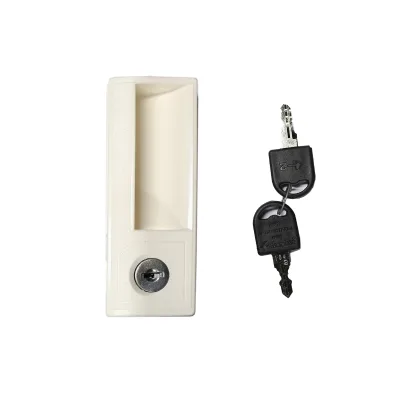
The locking mechanism operates as a key lock with a push-button pressing type. It features a single control switch and a single type breaking form for secure operation. The design ensures reliable performance for household door locks while maintaining a European style aesthetic that fits various architectural requirements.
What is the price range for purchasing lock cam products?
The observed price range for these lock cam products spans from 0.5 to 76 USD per unit. This wide range reflects differences in material, certification, and customization levels. Buyers can select options within this budget to find the most cost-effective solution for their specific security needs and volume requirements.